



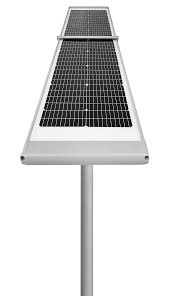
Imagine a city where street lamps never flicker or dim due to dust buildup. Picture a cleaner, safer environment, where urban lighting maintains its brilliance without the need for constant maintenance. This vision is becoming a reality with innovative research into self-cleaning street lamps. As urbanization continues to rise, so does the challenge of keeping our public spaces illuminated and pristine. Traditional methods of maintaining streetlights are often labor-intensive and costly. Enter the self-cleaning street lamp project—an initiative that promises not only improved efficiency but also significant benefits for cities grappling with cleanliness and sustainability issues.
- The Need for Self-Cleaning Street Lamps
- The Current State of Street Lamp Maintenance
- Introduction to the Self-Cleaning Street Lamp Project
- How Does the Dust Resistant Lamp Work?
- Benefits of Using Self-Cleaning Street Lamps
- Challenges and Limitations of the Project
- Future Implications and Potential Expansion
- Conclusion
In this blog post, we will explore the necessity of these advanced lighting solutions, examine their functionality, discuss their advantages over conventional systems, and delve into potential challenges ahead. Join us as we illuminate the future of urban lighting!
The Need for Self-Cleaning Street Lamps
Urban environments are constantly exposed to dust, grime, and pollution. These elements can quickly diminish the effectiveness of street lamps. When lighting systems fail to operate at their best, public safety is compromised.
Regular maintenance is often a logistical nightmare for city officials. Scheduling crews for cleaning tasks takes time and resources that could be allocated elsewhere. This inefficiency leaves many areas inadequately lit.
Moreover, dirty lamps contribute to an unappealing urban aesthetic. Dimly lit streets create an atmosphere of neglect and can deter community engagement. Citizens deserve well-maintained public spaces that enhance both safety and visual appeal.
As cities grow larger and more complex, the demand for innovative solutions becomes increasingly crucial. Self-cleaning street lamps present a forward-thinking answer to these pressing challenges in urban infrastructure management.
The Current State of Street Lamp Maintenance
Street lamp maintenance often falls into the shadows of urban planning. Traditional methods involve manual cleaning and regular inspections, which can be both time-consuming and labor-intensive.
Regular dust buildup diminishes light output. In many cities, neglected lamps lead to reduced visibility at night. This not only affects safety for pedestrians and drivers but also contributes to increased energy consumption as lamps work harder to shine through grime.
Budget constraints further complicate matters. Many municipalities struggle with limited resources, prioritizing immediate repairs over routine upkeep. As a result, a significant number of street lights remain dirty for extended periods.
Innovative ideas are emerging in response to these challenges. The need for efficient solutions is more pressing than ever as smart city initiatives gain traction around the globe.
Introduction to the Self-Cleaning Street Lamp Project
The self-cleaning street lamp project is a groundbreaking initiative aimed at addressing urban cleanliness challenges. Traditional street lamps often accumulate dust and grime, leading to reduced visibility and aesthetic appeal.
This innovative project explores advanced technologies that promote automatic cleaning systems for outdoor lighting. Researchers are investigating various materials and designs that repel dirt while maintaining energy efficiency.
By incorporating features such as hydrophobic coatings or integrated washing mechanisms, these lamps promise to revolutionize public infrastructure. They not only enhance the longevity of the fixtures but also contribute to safer nighttime environments for pedestrians and motorists alike.
Cities around the world are showing interest in this concept as they seek sustainable solutions. This project could pave the way for smarter urban landscapes where maintenance becomes less burdensome and more efficient.
How Does the Dust Resistant Lamp Work?
The dust-resistant lamp operates through an innovative self-cleaning mechanism. It utilizes advanced materials that repel dirt and grime, allowing the surface to remain clean without manual intervention.
Embedded within the lamp are hydrophobic coatings. These special layers create a barrier against water and dust particles, preventing them from sticking. When rain falls or moisture accumulates, it washes away contaminants effortlessly.
Additionally, some designs incorporate ultrasonic vibrations. This technology disrupts any settling dust, ensuring that even stubborn particles do not cling to the surface.
Solar-powered features also play a role in maintaining cleanliness. As sunlight hits the lamp during daylight hours, it activates certain cleaning functionalities automatically.
All these elements work harmoniously to enhance visibility on streets while reducing maintenance efforts significantly for city infrastructure managers.
Benefits of Using Self-Cleaning Street Lamps
Self-cleaning street lamps offer numerous advantages that go beyond mere convenience. One of the most significant benefits is reduced maintenance costs. Regular cleaning can be labor-intensive and expensive, but with self-cleaning technology, cities can save resources and allocate funds to other essential services.
These lamps also ensure consistent lighting quality. Dust accumulation diminishes brightness over time, making streets less safe at night. A clean lamp guarantees optimal illumination for pedestrians and drivers alike.
Moreover, implementing this innovative technology supports sustainability efforts. By minimizing the need for physical cleaning methods that often involve harmful chemicals or excessive water use, urban areas can promote eco-friendly practices.
Self-cleaning street lamps enhance aesthetic appeal in public spaces. With clearer lenses and cleaner designs, these lights contribute positively to the overall look of neighborhoods while fostering a sense of pride among residents.
Challenges and Limitations of the Project
Despite the innovative approach of self-cleaning street lamps, several challenges persist. One significant hurdle is the initial cost of implementation. The technology involved can be expensive, making it a tough sell for municipalities with tight budgets.
Another limitation lies in environmental factors. Areas with heavy pollution or extreme weather conditions may hinder the cleaning efficiency of these lamps. Dust accumulation could still occur at rates faster than expected.
Maintenance and repair present additional issues. If a lamp malfunctions, accessing its unique components might require specialized skills and tools that are not readily available to most maintenance teams.
Public perception plays a key role in adoption. Residents may be skeptical about new technologies, fearing they won’t live up to their promises or questioning their effectiveness compared to traditional methods.
Future Implications and Potential Expansion
The future implications of the self-cleaning street lamp project are vast. Cities could experience significant cost savings on maintenance and cleaning efforts. This technology could reshape urban infrastructure.
As cities look to become smarter, integrating dust-resistant lamps into broader smart city initiatives makes perfect sense. These lamps can potentially be linked with sensors for monitoring air quality or traffic patterns.
Imagine a network of lights that not only illuminates streets but also cleans themselves while collecting valuable environmental data.
Moreover, the expansion potential is tremendous. Beyond streets, these lamps could find applications in public parks, bus stops, and other outdoor spaces where cleanliness enhances safety and aesthetic appeal.
With continuous advancements in materials and technologies, the possibilities seem endless—leading toward a cleaner urban landscape that prioritizes sustainability while enhancing public services.
Conclusion
As cities evolve and face new challenges, the introduction of self-cleaning street lamps could revolutionize urban infrastructure. The research into dust-resistant lamp projects highlights a proactive approach to maintenance and sustainability. By minimizing operational disruptions caused by dirt accumulation, municipalities can allocate resources more efficiently.
The potential benefits extend beyond aesthetics; they encompass energy savings, reduced maintenance costs, and enhanced public safety through improved lighting conditions. While there are hurdles to overcome—such as technological refinement and initial investment—the path forward looks promising.
Investing in this innovative technology aligns with broader goals for cleaner, smarter cities. As advancements continue and pilot programs expand, we may soon see these self-cleaning marvels illuminating our streets on a grand scale.