



Introduction to the Importance of Packaging Design in 2025
As we step into October 2025, the world of packaging design is buzzing with innovation and creativity. Packaging isn’t just about protecting products anymore; it’s an essential aspect of branding and customer experience. In a marketplace overflowing with choices, how a product looks can make or break its appeal. With consumers becoming more conscious of sustainability and aesthetics, businesses are stepping up their game to create eye-catching designs that resonate with today’s buyers.
- Introduction to the Importance of Packaging Design in 2025
- Trends in Packaging Design for October 2025
- Sustainable and Eco-Friendly Packaging Solutions
- The Rise of Minimalist and Clean Designs
- Incorporating Technology in Packaging Design
- Innovative Materials and Techniques in Packaging Design
- Branding through Unique and Creative Packaging
- The Impact of COVID-19 on Packaging Design
- Future Predictions for the Evolution of Packaging Design
This month brings exciting trends in packaging design that reflect our evolving values and technological advancements. From eco-friendly materials to minimalist aesthetics, brands are finding new ways to stand out on the shelves and engage customers like never before. Join us as we explore the latest developments shaping packaging design news this October!
Trends in Packaging Design for October 2025
October 2025 is buzzing with fresh trends in packaging design. Brands are embracing bold colors and dynamic shapes to captivate consumers instantly.
There’s a distinct shift towards transparency, both literally and figuratively. Clear packaging allows customers to see products before purchasing, enhancing trust and connection.
Personalization is also on the rise. Companies are leveraging data to create tailored designs that resonate with individual preferences. This makes shopping feel more personal than ever.
Additionally, interactive packaging is becoming commonplace. QR codes and augmented reality features engage users beyond the product itself, creating immersive experiences that foster brand loyalty.
Sustainability remains at the forefront too. Innovative materials like biodegradable films or reusable containers are gaining traction as eco-consciousness grows among consumers.
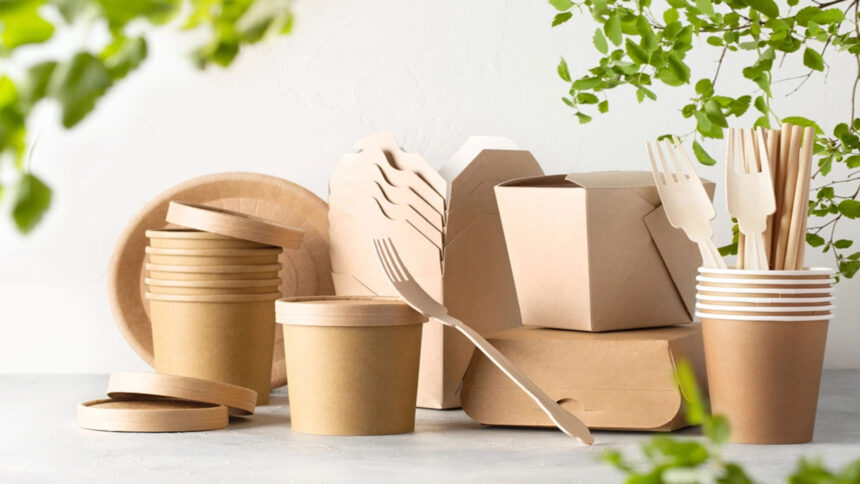
Sustainable and Eco-Friendly Packaging Solutions
Sustainable and eco-friendly packaging solutions are taking center stage this October 2025. Brands recognize the growing consumer demand for environmentally conscious products.
Innovative materials like biodegradable plastics and recycled paper are becoming staples in packaging design. Companies strive to reduce their carbon footprints while maintaining product integrity.
Moreover, plant-based inks have emerged as a popular alternative, minimizing harmful chemicals in traditional printing processes. This shift not only benefits the environment but also appeals to eco-aware consumers.
Designers are now focusing on creating multi-functional packaging that reduces waste. Items serving dual purposes enhance user experience while promoting sustainability.
Brands successfully communicating their commitment to green practices often enjoy heightened customer loyalty. In an era where every purchase decision counts, eco-friendly choices resonate deeply with conscientious shoppers.
The Rise of Minimalist and Clean Designs
Minimalist and clean designs are gaining momentum in packaging as brands strive for clarity and simplicity. This trend emphasizes the essentials, stripping away unnecessary embellishments to create a more focused visual message.
Consumers today appreciate straightforward aesthetics that communicate brand values without distraction. The use of ample white space allows products to stand out while conveying an air of sophistication.
Moreover, minimalist packaging often aligns with eco-conscious practices, utilizing fewer materials and reducing waste. Brands embracing this approach not only appeal to modern sensibilities but also cultivate a sense of trust through transparency.
With bold typography and strategic branding elements, clean designs facilitate quick recognition on crowded shelves. As competition intensifies, businesses recognize the power of minimalism in crafting memorable consumer experiences that resonate beyond superficial visuals.
Incorporating Technology in Packaging Design
As technology advances, so does the world of packaging design. Brands are now integrating smart features into their packaging to enhance customer experience.
QR codes have become commonplace. They bridge the gap between physical products and digital content. Consumers can scan these codes for additional information or promotions, adding value to their purchase.
Another trend is augmented reality (AR). Imagine a cereal box that comes to life when viewed through a smartphone app. This interactive experience captivates consumers and creates memorable connections with brands.
Moreover, IoT-enabled packaging allows real-time tracking of products during transit. It ensures freshness in food items and reduces waste, all while keeping customers informed about delivery status.
These innovations not only attract attention but also improve functionality. As technology continues evolving, it will pave new paths for creative expression in packaging design.
Innovative Materials and Techniques in Packaging Design
The packaging design landscape is witnessing a remarkable shift with the introduction of innovative materials. Biodegradable films and plant-based plastics are becoming increasingly popular, offering brands a sustainable alternative without compromising on quality.
3D printing techniques are also revolutionizing how products get packaged. This technology allows for customization at an unprecedented scale, enabling companies to create unique shapes and structures that stand out on shelves.
Additionally, smart packaging solutions are emerging. These incorporate sensors or QR codes that provide consumers with real-time information about products—enhancing user experience and engagement.
Recyclable and reusable materials continue to gain traction as brands strive for eco-friendliness in their designs. Companies are experimenting with new textures and finishes that not only attract attention but also tell stories about their commitment to sustainability.
These advancements reflect creativity while addressing environmental concerns, making them pivotal in shaping the future of packaging design.
Branding through Unique and Creative Packaging
Branding is more than just a logo; it’s the whole experience. Unique and creative packaging takes center stage in this narrative. It captures attention at first glance, making products instantly recognizable.
Think about brands that have successfully used unconventional shapes or colors to stand out on crowded shelves. This visual identity speaks volumes, forging an emotional connection with consumers.
The use of storytelling through packaging also enhances brand perception. A well-crafted design can evoke nostalgia or spark curiosity, encouraging customers to engage further with the product.
Moreover, memorable packaging invites shareability on social media platforms. When consumers love what they see, they want to showcase it online, amplifying your brand’s reach organically without additional marketing costs.
Creativity in packaging not only differentiates a product but establishes loyalty among consumers seeking something fresh and exciting from their favorite brands.
The Impact of COVID-19 on Packaging Design
The COVID-19 pandemic has reshaped many aspects of daily life, and packaging design is no exception. As consumers became more health-conscious, the demand for hygienic and safe packaging surged. Brands quickly adapted by incorporating tamper-evident seals and easy-to-open designs.
E-commerce also saw a dramatic rise during this time. With people shopping online in greater numbers than ever before, brands focused on creating protective yet appealing packages that could withstand shipping challenges while still capturing consumer interest.
Sustainability trends faced hurdles too. While eco-friendly materials remain crucial, some companies resorted to using plastics for safety reasons. This sparked debates about balancing health needs with environmental responsibility.
The pandemic prompted designers to innovate rapidly, ensuring products were not only functional but also aligned with shifting consumer values in a changing world.
Future Predictions for the Evolution of Packaging Design
As we look ahead, the future of packaging design is poised for remarkable transformation. The integration of augmented reality (AR) and virtual reality (VR) could redefine how consumers interact with products. Imagine a world where simply scanning a package reveals additional information or immersive experiences that tell the brand’s story.
Furthermore, artificial intelligence will play a pivotal role in creating personalized packaging solutions tailored to individual consumer preferences. Brands may utilize data analytics to predict trends and adapt their designs swiftly, ensuring they remain relevant in an ever-changing marketplace.
Sustainability will continue to be at the forefront, but expect even more innovative materials emerging from biotech advancements. Biodegradable plastics made from natural resources could become commonplace, reducing environmental impact significantly.
The design process itself is likely to evolve through collaborative tools powered by cloud technology. Designers across the globe may work together seamlessly on projects in real-time, fostering creativity and diversity in ideas.
As online shopping continues to dominate retail spaces, unboxing experiences will take center stage. Brands will invest heavily in creating memorable interactions right from the moment customers receive their packages at home.
These predictions suggest that packaging design will not only serve its functional purpose but also emerge as a medium for storytelling and connection between brands and consumers well into 2026 and beyond.