



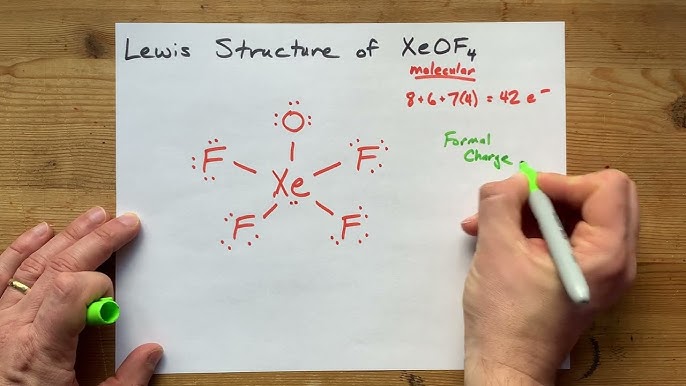
Introduction to Lewis Dot Structures
When it comes to understanding the fascinating world of chemistry, Lewis dot structures are a key tool that every student and enthusiast should master. These diagrams provide insight into how atoms bond, revealing the underlying framework of molecules. One intriguing compound worth exploring is N2F2, or difluorodiazene. This molecule features nitrogen and fluorine in an interesting arrangement that showcases unique bonding properties.
- Introduction to Lewis Dot Structures
- Understanding the Basics of N2F2
- Step-by-Step Guide to Drawing the Lewis Dot Structure for N2F2
- Exploring the Bonding and Molecular Geometry of N2F2
- Real World Applications of N2F2 and Its Lewis Dot Structure
- Common Mistakes and Troubleshooting Tips for Drawing Lewis Dot Structures
- Conclusion: The Importance of Understanding Lewis Dot Structures in Chemistry
Whether you’re a budding chemist or just curious about molecular structures, grasping the Lewis dot structure for N2F2 will enhance your comprehension of chemical interactions. So let’s dive into the basics and discover how to visualize this compound effectively!
Understanding the Basics of N2F2
N2F2, or difluorodiazene, is an intriguing compound made up of two nitrogen atoms and two fluorine atoms. Its molecular formula hints at a fascinating interaction between these elements.
The structure consists of nitrogen’s ability to form multiple bonds. Each nitrogen atom in N2F2 typically forms a double bond with the other nitrogen. This results in a stable configuration that contributes to its unique properties.
Fluorine, being highly electronegative, influences the overall behavior of the molecule significantly. The addition of fluorine creates polar characteristics which can affect reactivity and stability.
N2F2’s importance stretches into various fields, particularly as an intermediary in chemical reactions and even potential applications in pharmaceuticals. Understanding this compound opens doors to deeper insights within chemistry and materials science.
Step-by-Step Guide to Drawing the Lewis Dot Structure for N2F2
To draw the Lewis dot structure for N2F2, start by counting valence electrons. Nitrogen has five each, and fluorine has seven. This gives a total of 24 electrons to work with.
Next, sketch the basic framework. Place two nitrogen atoms in the center, flanked by two fluorine atoms on each side. Connect them using single bonds initially.
Now distribute the remaining electrons. Each bond uses two electrons, so deduct those from your total count. After bonding, place three lone pairs around each fluorine atom to satisfy their octets.
For nitrogen’s octet completion, you’ll need to create a double bond between the nitrogens if needed. Check that all atoms have full outer shells—fluorines should be satisfied with eight electrons while ensuring both nitrogens reach an octet too.
Ensure your structure is symmetrical since N2F2 is a nonpolar molecule despite having polar bonds due to electronegativity differences between nitrogen and fluorine.
Exploring the Bonding and Molecular Geometry of N2F2
N2F2, or difluorodiazene, showcases interesting bonding characteristics. It consists of two nitrogen atoms and two fluorine atoms. The nitrogen-nitrogen bond is a double bond, which plays a crucial role in the molecule’s stability.
Fluorine is highly electronegative. When bonded to nitrogen, it creates polar bonds that influence molecular shape. This polarity affects how N2F2 interacts with other compounds.
The molecular geometry of N2F2 adopts a bent shape due to lone pairs on the nitrogen atoms. This arrangement minimizes electron pair repulsion according to VSEPR theory.
Understanding this geometry helps predict reactivity and physical properties. For example, its unique structure contributes to its behavior in chemical reactions and applications in synthetic chemistry.
Real World Applications of N2F2 and Its Lewis Dot Structure
N2F2, or difluorodiazene, may not be a household name, but it has intriguing applications in various fields.
In the realm of chemistry and materials science, N2F2 is utilized as a fluorinating agent. This means that it plays a critical role in synthesizing compounds with enhanced properties.
Additionally, N2F2 finds its place in niche markets such as aerospace and electronics. Its unique molecular characteristics can help create advanced materials that withstand extreme conditions.
Understanding its Lewis dot structure aids researchers in predicting reactivity patterns and bonding behavior. This knowledge is fundamental for innovation and development within industries reliant on precise chemical interactions.
By visualizing N2F2’s electron arrangement through its Lewis structure, scientists can explore new pathways for creating efficient solutions to contemporary challenges.
Common Mistakes and Troubleshooting Tips for Drawing Lewis Dot Structures
When drawing Lewis dot structures, it’s easy to make mistakes. One common error is miscounting valence electrons. Always double-check the total number of electrons based on each atom’s group number.
Another frequent oversight involves not satisfying the octet rule. Ensure that atoms like carbon and oxygen have eight electrons in their outer shell, while hydrogen only needs two.
Many forget about formal charges when determining stability. Aim for a structure where formal charges are minimized; this often clarifies which arrangement is most favorable.
Sometimes, students overlook resonance structures. If multiple valid configurations exist, illustrate them all to showcase electron delocalization effectively.
Ensure you’re considering molecular geometry as well. A correct visual representation helps in understanding polarity and reactivity better than just focusing on dots alone. Keeping these tips in mind can streamline your process significantly!
Conclusion: The Importance of Understanding Lewis Dot Structures in Chemistry
Understanding Lewis dot structures is a fundamental aspect of chemistry that opens the door to grasping molecular behavior and interactions. When we delve into compounds like N2F2, these diagrams become invaluable in visualizing how atoms bond and share electrons.
By mastering Lewis dot structures, you can enhance your understanding of various chemical properties, reactivity patterns, and even the physical characteristics of substances. This knowledge not only aids students but also benefits professionals across fields such as pharmacology, materials science, and environmental studies.
As you continue exploring chemistry, remember that each molecule has its own story told through its structure. Whether you’re studying for exams or engaging in research projects, a solid grasp of Lewis dot structures will serve as an essential tool in your scientific toolkit. Embrace this skill; it paves the way for deeper insights into the incredible world of molecules and their interactions.