



Introduction to at-home healthcare
The landscape of healthcare is undergoing a significant transformation, especially in the realm of at-home care. As technology continues to advance at a rapid pace, patients are now experiencing unprecedented levels of convenience and support right from their own homes. Imagine a world where medical assistance isn’t confined to hospital walls but seamlessly integrates into our daily lives. This shift isn’t just about comfort; it’s redefining how we think about health management, making quality care accessible for everyone, regardless of their location or circumstances. With innovative tools and solutions emerging every day, let’s explore how future healthcare technology is elevating at-home care and reshaping the patient experience for the better.
- Introduction to at-home healthcare
- The rise of technology in healthcare
- Benefits of using technology in at-home care
- Examples of current technology being used in at-home care
- Future advancements and predictions for at-home healthcare technology
- Impact on patients and healthcare providers
- Potential challenges and concerns with the use of technology in at-home care
- Conclusion: The promising future of healthcare technology for at-home care
The rise of technology in healthcare
Technology has become a cornerstone of modern healthcare. From electronic health records to telemedicine, innovation is reshaping the way care is delivered. Patients can now access medical services without stepping foot in a clinic.
Wearable devices are part of this transformation, enabling real-time monitoring of vital signs and health metrics. This data empowers individuals to take charge of their well-being while providing healthcare professionals with valuable insights.
Artificial intelligence is also making waves in diagnostics and treatment planning. Machine learning algorithms analyze vast amounts of data, leading to quicker and more accurate diagnoses.
Mobile apps have streamlined communication between patients and providers. Scheduling appointments or obtaining prescription refills is just a click away, enhancing convenience for everyone involved.
As technology continues to advance, its integration into healthcare will deepen, paving the way for innovative solutions that improve patient outcomes across various settings.
Benefits of using technology in at-home care
Technology in at-home care brings countless benefits that enhance patient experiences. One of the most significant is improved monitoring. Wearable devices track vital signs, allowing caregivers to respond swiftly to changes.
Communication also sees a boost through telehealth services. Patients can consult with healthcare professionals without leaving their homes, saving time and reducing stress.
Another advantage is personalized care plans. Advanced software analyzes patient data, helping providers tailor treatments based on individual needs and preferences.
Furthermore, technology fosters independence among patients. With user-friendly apps and devices, many individuals manage medications or schedule appointments themselves.
Families stay connected with loved ones via digital platforms. This connection not only provides emotional support but also keeps relatives informed about health progress in real-time.
Examples of current technology being used in at-home care
Telehealth platforms are revolutionizing at-home care. Patients can connect with healthcare providers through video calls, eliminating the need for travel and wait times.
Wearable devices play a significant role too. Smartwatches and fitness trackers monitor vital signs like heart rate and activity levels in real-time. This data is crucial for ongoing health assessments.
Medication management apps help patients stay compliant with their prescriptions. Reminders alert users when it’s time to take medication, reducing the risk of missed doses.
Home monitoring systems offer another layer of support. Sensors track daily activities and alert caregivers if there’s an unusual change, ensuring timely intervention when necessary.
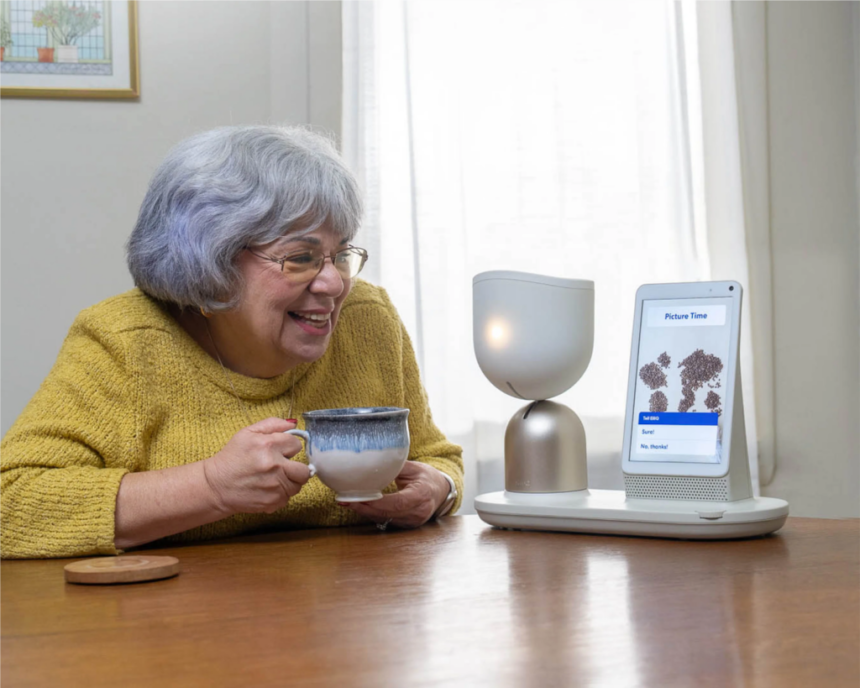
Robotic assistants are also making waves in this space. These machines aid seniors with tasks ranging from household chores to companionship, enhancing their quality of life at home.
Future advancements and predictions for at-home healthcare technology
The future of at-home healthcare technology is brimming with possibilities. Experts predict significant advancements in wearable devices. These gadgets will monitor vital signs and provide real-time data to healthcare providers, ensuring timely interventions.
Telehealth solutions are set to evolve as well. Virtual reality consultations may become commonplace, allowing patients to interact with doctors in immersive environments. This could enhance diagnostic accuracy while saving travel time for both parties.
Artificial intelligence is also on the rise, powering personalized care plans tailored to individual needs. Imagine an AI system analyzing patient histories and predicting potential health issues before they arise.
Robotics might make a mark too, assisting caregivers with daily tasks like lifting or monitoring medication schedules. Such innovations promise not just convenience but greater safety for patients at home.
Smart home technologies will increasingly integrate with health systems, creating seamless connections that empower individuals to manage their own wellness more effectively than ever before.
Impact on patients and healthcare providers
The impact of future healthcare technology on patients is profound. Patients now enjoy increased autonomy and engagement in their care. Remote monitoring tools provide real-time data, allowing individuals to manage chronic conditions more effectively.
Healthcare providers experience a shift in how they interact with patients. Technology streamlines communication through telehealth platforms, making consultations more accessible than ever. This not only saves time but also reduces the burden of travel for many patients.
Moreover, providers gain valuable insights from analytics generated by connected devices. This enables them to tailor treatments based on accurate patient data.
However, while technology enhances efficiency, it can create a dependency that may affect the provider-patient relationship’s personal touch. Balancing tech integration with compassionate care remains crucial as we move forward into this innovative landscape of healthcare.
Potential challenges and concerns with the use of technology in at-home care
Despite the numerous benefits, there are challenges associated with integrating technology into at-home care. One major concern is the digital divide. Not all patients have equal access to high-speed internet or smart devices, creating disparities in care.
Privacy and security also pose significant issues. Personal health information can be vulnerable to breaches if not adequately protected. Patients must trust that their data is safe while using various technologies.
Furthermore, some individuals may feel overwhelmed by constant monitoring tools or telehealth sessions. The learning curve for older adults could hinder adoption and lead to frustration.
Reliance on technology might reduce personal interactions between caregivers and patients. This shift could impact the emotional aspect of care, which is vital for overall well-being. Balancing technology use with human connection remains a critical consideration in at-home healthcare innovation.
Conclusion: The promising future of healthcare technology for at-home care
The landscape of at-home healthcare is evolving rapidly. With the integration of advanced technologies, patients are experiencing a more personalized and efficient approach to their care. Healthcare providers are also benefiting from improved communication tools and data management systems.
As we look toward the future, advancements will likely focus on artificial intelligence, telehealth solutions, and wearable devices that monitor patient health in real-time. These innovations promise to enhance patient engagement while ensuring timely interventions by healthcare professionals.
While challenges remain—such as concerns about privacy, digital literacy among patients, and potential disparities in access—the benefits far outweigh the drawbacks. The ongoing development of technology tailored for home care settings signifies a commitment to improving quality of life for countless individuals.
The trajectory is clear: technology will continue to play a pivotal role in reshaping how healthcare is delivered at home. This presents an exciting opportunity for both patients seeking comfort within their living spaces and providers aiming for better outcomes through innovative practices. Embracing these changes heralds a new era in healthcare where convenience meets quality care right at home.