



Introduction to the Topic
Easter is a vibrant celebration filled with colorful eggs, joyous gatherings, and deep-rooted traditions. But when you think of this holiday, do Jewish communities come to mind? The answer may not be as straightforward as one might expect. While Easter is predominantly a Christian holiday commemorating the resurrection of Jesus Christ, its connection to Judaism raises intriguing questions about cultural exchange and shared history. So, do Jews celebrate Easter? Let’s explore the fascinating relationship between Jewish traditions and this widely recognized spring festival.
History of Easter and its Origins
Easter’s roots stretch back to ancient times, intertwining with various cultural and religious traditions. The holiday primarily celebrates the resurrection of Jesus Christ, a pivotal event in Christianity. However, its origins can be traced to earlier pagan festivals that marked the arrival of spring.
The word “Easter” itself is believed to derive from Eostre, an Anglo-Saxon goddess associated with spring and fertility. As Christianity spread across Europe, many customs from these pre-existing celebrations were absorbed into Easter traditions.
Eggs have become a symbol of rebirth and new life during this season. In many cultures, they represent fertility and renewal long before being linked to Christian beliefs.
As Easter evolved throughout history, it adopted diverse practices around the world. Different countries celebrate with their own unique rituals while maintaining core themes of hope and rejuvenation that resonate universally through time.
The Relationship between Jews and Easter
Easter, a prominent Christian holiday, celebrates the resurrection of Jesus Christ. For many, it is a day filled with joy and family traditions. However, its significance differs greatly in Jewish culture.
Historically, Easter coincides with Passover—a major Jewish festival commemorating the Exodus from Egypt. This connection is not just temporal; themes of liberation resonate deeply within both celebrations.
For Jews, the message behind Easter may feel distant or even conflicting due to theological differences. While Christians view it as a cornerstone of their faith, most Jews do not observe this holiday at all.
Some might find themselves curious about the cultural aspects associated with Easter—such as egg hunts or festive meals—but participation varies widely among individuals and families within the Jewish community.
Jewish Beliefs and Practices on Easter
Jewish beliefs and practices do not traditionally include the celebration of Easter. This holiday, rooted in Christian theology, commemorates the resurrection of Jesus Christ. For Jews, this period coincides with Passover, a significant festival that celebrates their liberation from slavery in Egypt.
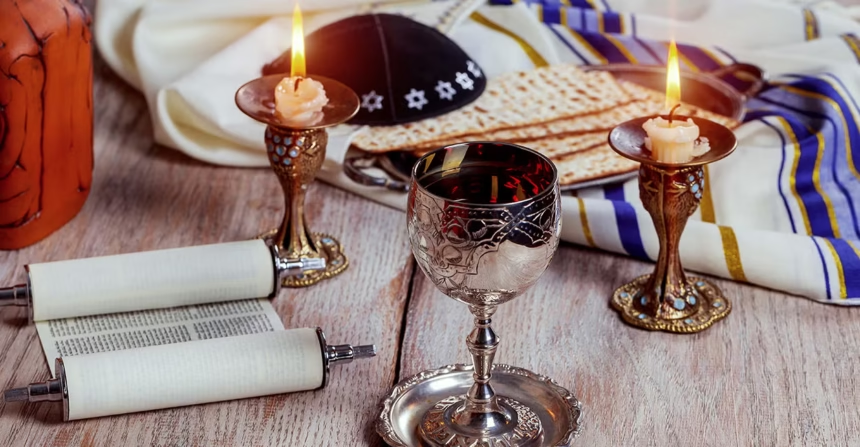
During Passover, families gather for a Seder meal that recalls their ancestors’ journey to freedom. Themes of redemption and renewal resonate deeply within Jewish culture during this time.
While some secular or interfaith Jewish families may engage in Easter activities—like egg hunts or festive meals—the essence remains tied to Passover traditions rather than embracing Easter itself.
It’s essential to recognize these distinct cultural practices as expressions of identity rather than celebrations blending into one another. The focus is on heritage and historical significance over religious overlaps.
How Some Jews Celebrate Easter Today
While Easter is primarily a Christian holiday, some Jewish individuals and families may choose to engage with the festivities in their own way. For these Jews, participation can vary widely depending on personal beliefs and cultural backgrounds.
Some might join friends or family for Easter brunch or dinner. This gathering often includes traditional foods that celebrate springtime, such as seasonal vegetables and sweet treats.
Others may enjoy the festive atmosphere without any religious connotations. They might participate in egg hunts or spring celebrations simply as a social activity rather than a spiritual one.
There are also those who use this time for reflection on themes of renewal and freedom—concepts resonant within both Jewish Passover traditions and Easter celebrations. Each individual’s approach showcases the rich tapestry of practices surrounding this time of year, emphasizing community ties over strict observance.
Controversies Surrounding Jewish Celebration of Easter
The celebration of Easter can be a contentious topic among Jewish communities. Many Jews feel that participating in Easter festivities might blur the lines between their own traditions and those of Christianity. This concern often stems from historical tensions between the two religions.
Some Jews worry about cultural appropriation. They believe that adopting Easter customs could undermine their distinct identity and beliefs.
On the other hand, there are some who embrace a more inclusive approach. They may participate in family gatherings or community events simply for social reasons, rather than religious ones.
Additionally, discussions about interfaith relationships complicate matters further. Mixed-faith families navigate these waters differently, sometimes choosing to celebrate both holidays together.
These differing perspectives contribute to an ongoing dialogue about identity and tradition within diverse Jewish communities today.
Conclusion: Respect and Understanding for Different Beliefs
Easter is a significant celebration for many, particularly within the Christian community. However, when it comes to Jewish beliefs and practices, the relationship with Easter can be quite complex.
Understanding that Jews do not celebrate Easter in the traditional sense helps clarify some common misconceptions. The origins of Easter are tied closely to Christianity and its narratives surrounding Jesus’ resurrection—a central tenet of faith for Christians but not part of Jewish religious teachings.
Jewish traditions during this time often focus on Passover, which typically falls around the same period as Easter. This festival commemorates Jewish liberation from slavery in Egypt and serves as a reminder of spiritual freedom. For many Jews, these two observances represent very different historical events and theological implications.
Interestingly enough, some contemporary Jewish individuals may partake in secular aspects associated with Easter celebrations—like gatherings or family meals—but these activities usually hold no religious significance for them.
It’s essential to acknowledge that holidays can have varying meanings across cultures and religions. Respecting those differences fosters understanding among diverse communities. Whether discussing holiday practices or deeper cultural significances, cultivating an environment where all beliefs are honored will lead to more enriching interactions amongst us all.