


When it comes to honoring a loved one’s life, the choices can feel overwhelming. Two popular options often come up: the traditional funeral and the more modern celebration of life. While both serve as meaningful ways to say goodbye, they embody very different approaches to mourning and remembrance.
- Understanding the Difference between a Celebration of Life and a Funeral
- Origins of Funerals and Celebrations of Life
- Traditional Funeral Ceremonies
- The Rise in Popularity of Celebrations of Life
- Unique Elements of a Celebration of Life
- Benefits and Drawbacks to Each Option
- Making the Decision: Which is Right for You?
- Tips for Planning a Meaningful Celebration of Life or Funeral
- Conclusion
Funerals typically focus on grief and loss, following age-old traditions that guide attendees through their sorrow. On the other hand, celebrations of life embrace joy, memories, and shared experiences, creating an atmosphere that celebrates individuality rather than solely lamenting absence.
As we delve into this topic, we’ll explore what sets these two memorial practices apart. Understanding their origins and unique elements will help you navigate this challenging decision with clarity. Whether you’re planning for yourself or supporting someone else in their time of need, knowing your options is key to crafting a fitting tribute that honors a cherished life lived well.
Understanding the Difference between a Celebration of Life and a Funeral
At first glance, a celebration of life and a funeral might seem interchangeable. However, they reflect different philosophies about death and remembrance.
A traditional funeral tends to center on the somber aspects of loss. It often includes religious or cultural rituals aimed at helping mourners process their grief. The atmosphere can be heavy, with an emphasis on sorrowful reflection.
In contrast, a celebration of life focuses on honoring the deceased’s spirit and legacy. This gathering invites attendees to share stories, laughter, and cherished memories instead of solely dwelling in sadness.
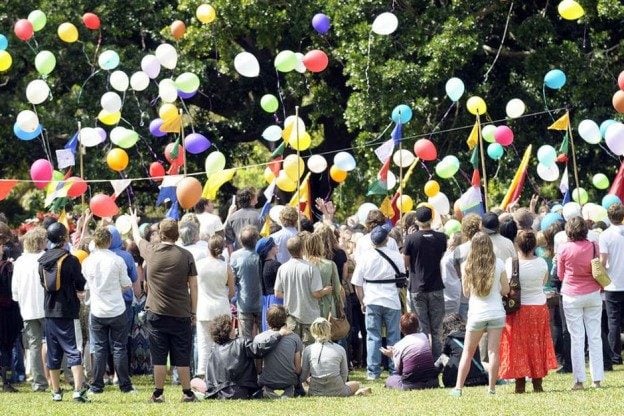
Often held in more casual settings like homes or parks, these events encourage personal expression through music, art, or themed decorations that resonate with the individual being remembered.
Recognizing these distinctions helps individuals choose how best to celebrate their loved ones while considering what aligns with their values and preferences.
Origins of Funerals and Celebrations of Life
Funerals and celebrations of life have deep-rooted histories that reflect cultural beliefs about death. Funerals often trace back to ancient rituals, where communities would come together to honor the deceased. These ceremonies typically focused on mourning, emphasizing loss and grief.
In contrast, celebrations of life emerged more recently as a response to traditional funeral practices. They emphasize remembrance over sorrow, allowing families to celebrate the individual’s legacy instead of solely grieving their absence.
Cultural shifts in attitudes towards death have influenced this evolution. Many now seek a more personal approach that resonates with their loved one’s spirit and personality. This change has paved the way for unique tributes tailored to each individual’s story, bridging past customs with contemporary values surrounding mortality.
Traditional Funeral Ceremonies
Traditional funeral ceremonies often revolve around established customs and rituals. These gatherings provide a structured environment for grieving families and friends to pay their respects.
Typically, the service includes religious or spiritual elements, such as prayers, hymns, or scripture readings. This approach helps some individuals find solace and closure during a difficult time.
Mourners usually dress in somber attire, reflecting the seriousness of the occasion. The atmosphere can be heavy with emotion but also filled with shared memories that honor the deceased’s life.
Ceremonies may take place at a church, funeral home, or gravesite. Each location adds its own significance to the proceedings.
Viewings are common before burial; they allow attendees to say goodbye in a more personal way. Friendships are strengthened through collective mourning and remembrance during these traditional events.
The Rise in Popularity of Celebrations of Life
In recent years, celebrations of life have gained considerable traction as an alternative to traditional funerals. Families are increasingly seeking ways to honor their loved ones that reflect their unique personalities and accomplishments.
Unlike somber funerals, these gatherings embrace joy and positivity. They allow for storytelling, sharing memories, and even laughter amidst the tears. This shift highlights a growing desire for more personalized memorials.
With themes ranging from beach parties to art exhibitions, each celebration becomes a canvas for creativity. The focus is on celebrating the person’s journey rather than mourning their passing.
Social media plays a significant role in this trend too. People share photos and experiences online, creating lasting tributes that extend beyond the day itself.
This cultural evolution reflects how society views death—not just as an end but as part of life’s rich tapestry filled with love and connection.
Unique Elements of a Celebration of Life
A celebration of life often embraces a more personalized approach compared to traditional funerals. It allows for creativity and individuality, reflecting the unique personality of the departed.
Many celebrations feature multimedia tributes, like photo slideshows or videos that showcase cherished memories. This visual storytelling can evoke nostalgia and warmth among attendees.
Musical elements also play a vital role. Families might choose favorite songs or live performances that resonate with the spirit of their loved one.
Food and drink can be tailored to reflect their tastes, making it feel more like a gathering than mourning. Guests may share stories over familiar dishes, creating an atmosphere rich in connection.
Interactive stations are becoming popular too—where friends write messages on memory walls or contribute to keepsakes. All these options foster an environment where joy mingles with remembrance, celebrating a life well-lived rather than focusing solely on loss.
Benefits and Drawbacks to Each Option
Celebration of life events often embrace personal stories and joyful memories. They can foster a sense of community, bringing people together in an uplifting atmosphere. Guests might share laughter, music, or favorite dishes, creating a unique experience that honors the deceased’s spirit.
However, some may find these gatherings challenging if they prefer traditional expressions of grief. The informal nature might feel uncomfortable for those who value solemnity.
On the other hand, funerals provide structure and tradition. They allow for rituals that many believe help guide mourners through their grief process. Familiar customs can offer comfort during difficult times.
Yet funerals may also evoke deep sorrow and sadness. Some individuals struggle with the formality associated with such ceremonies. This could lead to feelings of isolation rather than connection among attendees. Each option presents its own set of challenges and advantages based on individual preferences and cultural beliefs.
Making the Decision: Which is Right for You?
Choosing between a celebration of life and a traditional funeral can feel overwhelming. It’s essential to reflect on the deceased’s personality and how they lived. Would they prefer a festive gathering or a more somber farewell?
Consider their values and beliefs. If spirituality played a significant role, perhaps a funeral aligns better with those ideals. On the other hand, if they embraced joy and laughter, a celebration of life might resonate more.
Think about what would bring comfort to family and friends during this time. Will sharing memories in an uplifting atmosphere help everyone heal? Or is it important to honor traditions that provide solace?
Discussing this decision with close relatives can offer additional perspectives. It’s about creating an experience that best reflects your loved one’s legacy while supporting those left behind through their grief journey.
Tips for Planning a Meaningful Celebration of Life or Funeral
Start by reflecting on the personality and preferences of your loved one. What made them smile? Incorporate those elements into the service.
Choose a location that holds significance—whether it’s their favorite park, home, or a community center. This helps create an intimate atmosphere.
Engage friends and family in the planning process. Their contributions can add unique touches and ensure everyone feels involved.
Consider including multimedia presentations with photos or videos showcasing cherished memories. This visual storytelling can evoke laughter and warmth amidst sorrow.
Personalize rituals to honor specific beliefs or traditions that resonate with your loved one’s life philosophy.
Don’t forget about comfort for attendees. Provide refreshments and create spaces for conversation to foster connection during this meaningful time.
Conclusion
When faced with the loss of a loved one, choosing between a celebration of life and a funeral can be overwhelming. Each option carries its own significance and style. Funerals often adhere to traditions that provide comfort through familiarity, while celebrations of life offer an opportunity to embrace joy in remembrance.
Understanding personal preferences and family dynamics is crucial when making this decision. Consider what your loved one valued most in life—this may guide you toward the best choice for honoring their memory.
Planning either type of service requires thoughtful consideration. Take time to reflect on how you want to celebrate or commemorate the individual’s journey. Whether it’s through heartfelt speeches, music they cherished, or shared memories among friends and family, each detail matters.
Whether you choose a celebration of life or a traditional funeral should resonate with the legacy left behind by your loved one. The focus should always be on creating an experience that captures who they were and provides solace to those grieving their absence.