


Introduction to the concept of
In the ever-evolving landscape of media, certain tropes have emerged that capture attention and spark conversations. One such trope is the depiction of Asian schoolgirls, often portrayed in a way that reinforces stereotypes rather than celebrating authentic experiences. The phrase “asian schoolgirl step sisters take study break – uwu tofu” may bring to mind playful images or humorous scenarios, but it raises deeper questions about representation and identity. As we dive into this topic, we’ll explore not just the allure of these characters but also their impact on real-life perceptions of Asian girls and women. Join us as we unpack the layers behind these portrayals and advocate for healthier representations in our media landscape.
- Introduction to the concept of
- The rise of Asian schoolgirl stereotypes in media
- The problematic portrayal of Asian women in media
- How the video
- Impact on real-life Asian girls and women
- Promoting healthy and diverse representations of Asians in media
- Conclusion: Understanding the harmful effects of uwu tofu and advocating for change
The rise of Asian schoolgirl stereotypes in media
The rise of Asian schoolgirl stereotypes in media has become increasingly prominent. These portrayals often depict young girls in uniforms, emphasizing submissiveness and innocence. This caricature simplifies a rich cultural identity into a one-dimensional image.
Films, anime, and online content frequently showcase these tropes. The cute yet naïve archetype is both alluring and problematic. It plays into fantasies that can distort perceptions of real-life Asian women.
Moreover, this stereotype isn’t just confined to entertainment; it seeps into everyday interactions. Young girls are sometimes judged based on these narrow representations instead of their individuality or talents.
Such images perpetuate outdated ideas about femininity and culture. They overlook the complexities of being an Asian woman today while reinforcing harmful biases that affect society’s view as a whole.
The problematic portrayal of Asian women in media
The portrayal of Asian women in media often skews towards stereotypes, reducing complex identities to simplistic tropes. Characters are frequently depicted as submissive or hyper-sexualized, reinforcing harmful narratives that do not reflect the diversity within Asian communities.
This narrow representation can lead to misunderstandings and perpetuate biases in real life. When young girls see themselves reflected through these limited portrayals, it impacts their self-image and societal expectations.
Moreover, such representations ignore the achievements and individuality of Asian women. They deserve stories that showcase their richness—experiences marked by strength, ambition, and nuance rather than mere caricatures.
These problematic depictions create a cycle where authenticity is overshadowed by fantasy. As audiences consume this content without questioning its implications, it becomes increasingly important to challenge what we accept as normal in mainstream media narratives.
How the video
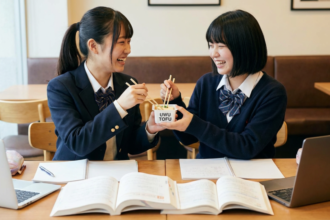
The video titled “Asian Schoolgirl Step Sisters Take Study Break – uwu tofu” has stirred quite a conversation online. It features two young women navigating their academic life through playful interactions and exaggerated stereotypes.
The portrayal of these characters often leans heavily on the schoolgirl trope, which can be both cute and cringe-worthy. Viewers are drawn in by the bright colors and catchy tunes but may overlook the underlying implications of such representation.
As they take a break from studying, their antics might seem harmless at first glance. However, this light-hearted approach inadvertently reinforces narrow perceptions of Asian femininity.
This content feeds into an industry that thrives on clichés rather than authentic narratives. While it entertains some audiences, it also risks perpetuating harmful stereotypes about Asian women being submissive or overly dependent on others for validation.
Impact on real-life Asian girls and women
The portrayal of Asian schoolgirl step sisters in media can have real consequences on the lives of young Asian girls and women. When they see stereotypes reflected onscreen, it shapes their self-image and how others perceive them.
These depictions often reduce complex identities to mere caricatures. As a result, many feel pressured to conform to unrealistic standards set by media representations.
Young girls may internalize these roles, believing that they must act or dress a certain way. This can lead to a struggle for authenticity as they navigate their own cultural identity.
Moreover, such portrayals impact how society views and interacts with Asian women. They are often typecast into submissive or exotic roles outside their true character.
This disconnect not only stifles individuality but also perpetuates harmful narratives in everyday life. It’s crucial for media consumers to recognize these effects and advocate for more nuanced stories that reflect the true diversity within the Asian community.
Promoting healthy and diverse representations of Asians in media
Promoting healthy and diverse representations of Asians in media is essential for breaking stereotypes. Authentic portrayals foster understanding and appreciation of various cultures.
To achieve this, creators must prioritize stories that reflect real-life experiences. This means focusing on the rich diversity within Asian communities rather than relying on clichés. Different backgrounds, traditions, and perspectives should be showcased.
Engaging with Asian writers, directors, and artists can lead to more nuanced narratives. Their voices bring authenticity to the storytelling process. When audiences see multifaceted characters, they begin to connect beyond superficial traits.
Moreover, representation matters not just on screen but behind the scenes too. Increased opportunities for Asian talent in all roles will result in richer content that resonates with broader audiences.
Supporting projects that celebrate uniqueness helps dismantle harmful tropes while paving the way for future generations of artists and storytellers from diverse backgrounds.
Conclusion: Understanding the harmful effects of uwu tofu and advocating for change
The portrayal of Asian schoolgirls, particularly in videos like “asian schoolgirl step sisters take study break – uwu tofu,” brings to light significant issues surrounding representation. While the content may appear harmless or entertaining on the surface, it can perpetuate harmful stereotypes and diminish the complexity of real-life Asian girls and women.
These portrayals reduce individuals to mere caricatures, affecting how society views them. The pressure to conform to these narrow definitions can lead young Asian women to feel as if they must fit into a cookie-cutter mold that does not reflect their true selves. This has consequences for self-esteem and identity.
To foster a healthier narrative, it’s essential for creators and consumers alike to demand diverse representations. Authentic stories that celebrate individuality over stereotype will empower all young women. As audiences become more aware of these dynamics, we can collectively encourage media producers to present multi-dimensional characters who resonate with reality rather than fantasy.
Promoting change means supporting content that reflects genuine experiences. By advocating for diversity in media representations, we contribute towards dismantling harmful stereotypes associated with Asian identities while enriching our cultural conversations.
As viewers and creators reshape narratives together, understanding the impact of content like “uwu tofu” becomes crucial in paving the way for a future where every individual is celebrated for who they truly are—complex beings deserving of respect beyond simplistic labels.