



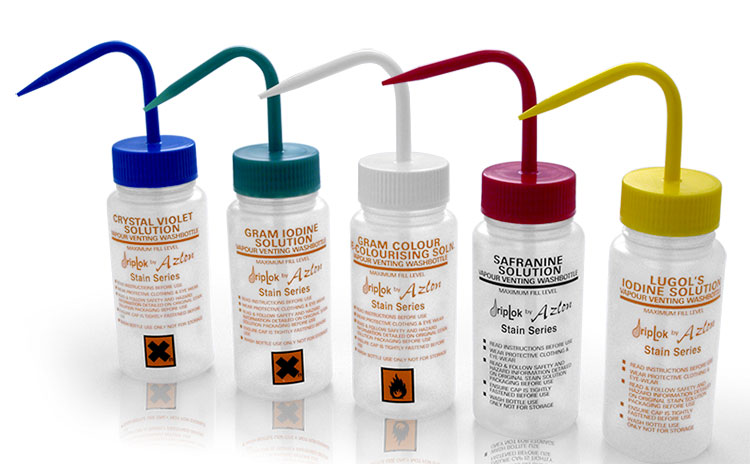
Introduction to Wash Bottles
When it comes to conducting experiments in the lab, precision is key. One tool that can dramatically enhance your accuracy and efficiency is the wash bottle. These simple yet effective containers are essential for any scientist looking to streamline their work process. Whether you’re rinsing out glassware or dispensing distilled water with care, a wash bottle is your trusty sidekick in the world of wash bottle science.
- Introduction to Wash Bottles
- How Do Wash Bottles Work?
- Common Uses for Wash Bottles in Science Experiments
- Types of Wash Bottles Available
- How to Choose the Right Wash Bottle for Your Needs
- Tips for Properly Using and Maintaining Wash Bottles
- Conclusion: Reap the Benefits of Using a Wash Bottle in Your Next Science Experiment
But what exactly makes these bottles so indispensable? And how do they fit into various scientific applications? Dive deeper as we explore their functionality, common uses, and tips for choosing and maintaining your ideal wash bottle. Get ready to elevate your laboratory experience!
How Do Wash Bottles Work?
Wash bottles operate on a simple yet effective principle. When you squeeze the bottle, it creates pressure inside. This forces the liquid inside to flow out through the narrow nozzle.
The design allows for precise control over how much liquid is dispensed. You can direct it exactly where needed, reducing spills and waste during experiments.
Made from materials like plastic or glass, wash bottles are durable and resistant to many chemicals. Their flexibility makes them easy to handle even in tight lab spaces.
Most importantly, they help maintain cleanliness in your workspace. By using a wash bottle instead of pouring directly from larger containers, you minimize contamination risks while ensuring accurate measurements during your experiments.
Common Uses for Wash Bottles in Science Experiments
Wash bottles are indispensable tools in laboratories. They serve various purposes, making them essential for many experiments.
One common use is rinsing glassware. Scientists often need to clean beakers and flasks between experiments. A wash bottle filled with distilled water offers a quick and efficient way to remove residues.
Another practical application is delivering precise amounts of liquids. When adding reagents in a controlled manner, wash bottles help avoid spills or overflows. This precision can significantly impact the results of an experiment.
Additionally, they are perfect for wetting substances before mixing or reactions occur. This ensures that all components interact effectively during chemical processes.
Some researchers even use wash bottles to dispense solvents safely while minimizing exposure risks. The design allows for easy handling while maintaining accuracy and control during laboratory tasks.
Types of Wash Bottles Available
Wash bottles come in various types, each designed for specific applications. One common type is the polyethylene bottle. It’s lightweight and resistant to many chemicals, making it ideal for general lab use.
Glass wash bottles are another option. These provide excellent chemical resistance but can be heavier and more fragile than their plastic counterparts. They are often used when high purity is essential.
There are also specialized wash bottles available, such as those with adjustable nozzles or squeeze features that allow precise control of liquid flow. This is particularly useful in experiments where accuracy counts.
Furthermore, some wash bottles come with graduated markings on the side, helping users measure liquids effectively during experiments. With these options at your disposal, you can select a wash bottle that best fits your scientific needs.
How to Choose the Right Wash Bottle for Your Needs
Choosing the right wash bottle involves considering several factors. First, think about what liquids you’ll be using. Some bottles are designed for specific chemicals, while others can handle a range of solutions.
Next, assess the size you need. Wash bottles come in various capacities, typically ranging from 250 mL to 1 liter or more. A larger bottle might seem convenient but could be cumbersome if you only require small amounts.
Material is another crucial aspect. Polyethylene and glass bottles each have pros and cons regarding durability and chemical resistance. For aggressive solvents, a glass option may serve better.
Pay attention to the nozzle design as well. A fine-tip nozzle allows for precision when dispensing liquids, which is vital in experiments where accuracy is key.
Consider ease of cleaning and refilling your chosen wash bottle to ensure it remains practical over time.
Tips for Properly Using and Maintaining Wash Bottles
To ensure optimal performance, always clean your wash bottles after each use. Rinse them thoroughly with distilled water to remove any residual chemicals.
Use a gentle detergent for deeper cleaning when necessary. Make sure to rinse completely; leftover soap can contaminate future experiments.
Check the nozzle regularly for clogs. A clear pathway is essential for precise dispensing. If you notice any blockage, flush it out gently with warm water or a suitable solvent.
Store wash bottles upright in a designated area away from direct sunlight and extreme temperatures. This helps maintain their shape and functionality over time.
Label your bottles clearly if you’re using different solutions. Clear identification prevents accidental mix-ups during experiments, ensuring safety and accuracy in your work environment.
Conclusion: Reap the Benefits of Using a Wash Bottle in Your Next Science Experiment
Using a wash bottle in your science experiments can enhance efficiency and precision. These simple yet effective tools allow for controlled dispensing of liquids, making them invaluable for various applications. Whether you’re rinsing glassware or delivering reagents, the versatility of wash bottles cannot be overstated.
By selecting the right type of wash bottle and maintaining it properly, you’ll ensure that your experiments run smoothly and safely. The specific design features available cater to different needs—be it size, material, or nozzle type.
Embracing this tool will undoubtedly elevate your laboratory experience. So next time you’re setting up an experiment, consider reaching for a wash bottle. You’ll appreciate its contributions to accuracy and convenience in your scientific endeavors.