



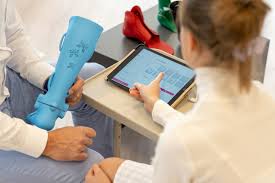
Introduction to the advancement of healthcare technology
The world of healthcare is rapidly evolving, driven by technological advancements that promise to reshape the way we receive care. As we navigate through an era marked by innovation, one area stands out: at-home care. Imagine a future where patients can access high-quality medical attention from the comfort of their living rooms. This isn’t just wishful thinking—it’s becoming a reality thanks to cutting-edge technologies revolutionizing how care is delivered outside traditional clinical settings.
- Introduction to the advancement of healthcare technology
- The impact of technology on at home care
- Telemedicine and virtual consultations
- Personal health monitoring devices
- Smart homes for senior citizens
- Artificial intelligence in medication management
- Challenges and concerns with technology in at home care
- Future possibilities and advancements in healthcare technology
- Conclusion
From virtual consultations to smart home devices designed specifically for seniors, technology is breaking down barriers and improving health outcomes in unprecedented ways. The convenience and accessibility offered through these innovations are transforming lives, providing individuals with greater control over their health journeys while ensuring they remain connected with healthcare professionals. Let’s dive into how future healthcare technology is elevating at-home care and what this means for patients and caregivers alike.
The impact of technology on at home care
Technology is reshaping at-home care in remarkable ways. It empowers patients and caregivers alike, enhancing the quality of life for those who prefer to receive support in familiar surroundings.
With advancements like telehealth platforms, individuals can connect with healthcare providers without leaving their homes. This means faster consultations and easier access to essential medical advice.
Wearable devices play a crucial role too. They track vital signs continuously, alerting caregivers or medical professionals if anything seems off. This real-time data fosters proactive health management.
Smart home solutions are another innovation making waves. From automated lighting to voice-activated assistants, these tools help seniors maintain independence while ensuring safety.
Moreover, technology facilitates better communication among family members and healthcare teams. It creates a collaborative environment that enhances decision-making processes regarding individual care plans.
Telemedicine and virtual consultations
Telemedicine and virtual consultations are transforming the way patients receive care. Gone are the days when a trip to the doctor meant long waits in crowded waiting rooms. Now, with just a few clicks, patients can connect with healthcare professionals from the comfort of their homes.
This technology has proven invaluable for those managing chronic conditions or requiring regular assessments. It not only saves time but also reduces exposure to illnesses—especially vital during flu season or global health crises.
Moreover, virtual consultations foster accessibility for individuals living in remote areas. Patients no longer need to travel significant distances for specialized care, which enhances their overall treatment experience.
The integration of telemedicine into at-home care creates a seamless communication channel between doctors and patients, allowing timely adjustments to treatment plans as needed. This innovative approach supports proactive health management like never before.
Personal health monitoring devices
Personal health monitoring devices have revolutionized how we manage our well-being at home. These tools empower individuals to take charge of their health like never before.
Wearable technology, such as fitness trackers and smartwatches, provides real-time data on heart rate, sleep patterns, and physical activity. This information can motivate users to adopt healthier habits.
For chronic conditions, specialized monitors—like blood glucose or blood pressure devices—offer crucial insights into daily fluctuations. They help patients stay informed and alert caregivers when necessary.
Mobile apps also play a key role in this ecosystem. Many sync with these devices to create a comprehensive health profile that tracks progress over time.
As these innovations become more integrated into everyday life, they promise not just convenience but also better outcomes for those seeking care from the comfort of their homes.
Smart homes for senior citizens
Smart homes are transforming the way senior citizens experience daily life. These innovative spaces use technology to enhance comfort, safety, and independence.
With voice-activated systems, seniors can control lights, thermostats, and appliances with simple commands. This reduces physical strain and enhances accessibility in their everyday routines.
Security is another crucial aspect. Smart cameras and doorbell systems allow for remote monitoring of entrances. Families can have peace of mind knowing their loved ones are safe at home.
Additionally, smart sensors can detect falls or unusual activity patterns. If something seems off, caregivers receive instant alerts on their devices.
These features create a supportive environment where seniors feel empowered rather than limited by age-related challenges. Embracing smart home technology opens doors to a more connected lifestyle that fosters well-being and autonomy.
Artificial intelligence in medication management
Artificial intelligence is revolutionizing medication management in at-home care. It streamlines the often complicated process of medication adherence.
AI systems can analyze patient data and tailor reminders for taking prescriptions. This ensures that patients stick to their schedules, improving treatment outcomes.
Furthermore, AI algorithms can identify potential drug interactions based on individual health histories. This capability reduces risks and enhances safety for patients managing multiple medications.
With machine learning, these technologies continue to evolve, becoming more adept at understanding user preferences and behaviors over time. They adapt notifications according to lifestyle changes or missed doses.
The integration of AI into medication management not only empowers patients but also provides caregivers with valuable insights. As a result, informed decisions about healthcare become easier than ever before in an aging population seeking independence within their homes.
Challenges and concerns with technology in at home care
While technology brings numerous benefits to at-home care, it also comes with challenges. One significant concern is the digital divide. Not everyone has equal access to high-speed internet or modern devices. This disparity can hinder some patients from receiving proper care.
Privacy and security are critical issues as well. With more health data being shared online, there’s an increased risk of breaches. Patients may feel anxious about their personal information falling into the wrong hands.
Additionally, not all seniors are tech-savvy. Learning to use new devices can be overwhelming for those unfamiliar with technology. This learning curve might lead to frustration rather than convenience.
Reliance on technology can create a sense of isolation for some individuals who crave human interaction and connection in their caregiving experience.
Future possibilities and advancements in healthcare technology
The future of healthcare technology holds exciting possibilities that can redefine at-home care. Innovations in robotics, for instance, may soon bring assistance right into patients’ living rooms. Imagine robotic companions helping with daily tasks or providing companionship to those who need it most.
Wearable technology is advancing rapidly too. Future iterations could offer real-time health diagnostics and alerts directly to healthcare providers. This means quicker responses during emergencies and proactive management of chronic conditions.
Blockchain technology might transform medical records as well, ensuring patient data remains secure while allowing seamless access for different caregivers.
Moreover, virtual reality could play a role in therapy and rehabilitation, creating immersive environments for healing experiences from the comfort of home. The horizon looks promising as these advancements unfold, paving the way for enhanced quality of life through cutting-edge care solutions.
Conclusion
As we look to the future, it is evident that healthcare technology is set to revolutionize at-home care. The tools and innovations emerging today not only improve patient outcomes but also enhance the overall experience for both caregivers and patients. Telemedicine expands access to specialists without the need for travel, while personal health monitoring devices empower individuals with real-time data about their well-being.
Smart home technologies create safer living environments tailored to senior citizens’ needs, fostering independence as they age in place. Artificial intelligence streamlines medication management, reducing errors and ensuring adherence. Despite challenges such as privacy concerns and technological barriers, the benefits of these advancements are undeniable.
The landscape of healthcare continues to evolve rapidly. Embracing these technologies can lead us toward a more connected and efficient model of care that prioritizes comfort and accessibility right from home. As we move forward, it’s exciting to envision how future innovations will further elevate at-home care experiences for everyone involved.